Enneagram countertypes the “upside-down” subtypes
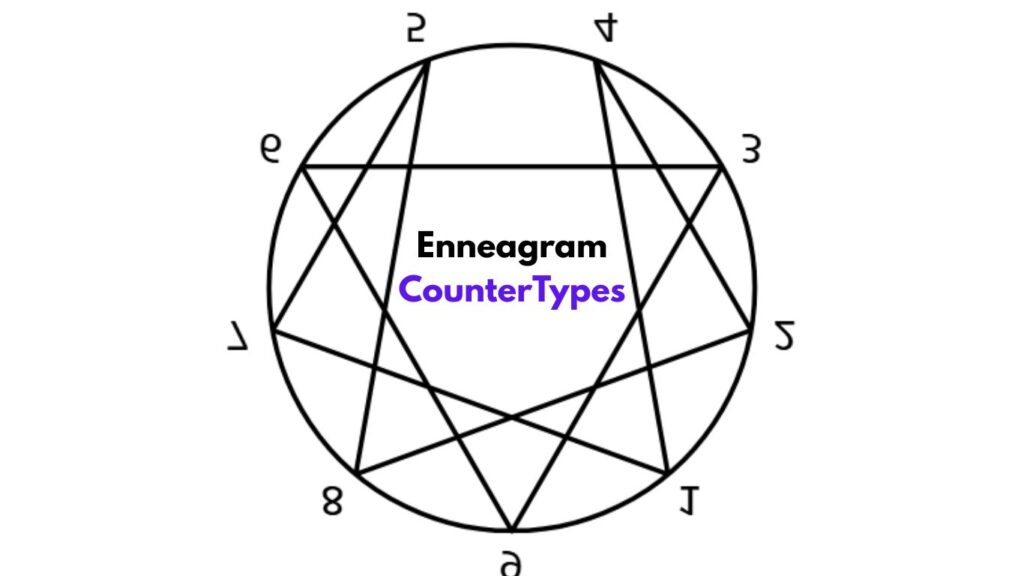
Some people read about their Enneagram type and think,
“This sounds right on the inside… but I don’t behave like this on the outside.”
If you’ve ever felt that way, you might connect deeply with the idea of countertypes.
A countertype is a subtype that expresses the type’s inner motivation in a way that looks very different from the stereotype, sometimes even the opposite.
But even when the behavior looks unusual, the core of the type is still the same.
This guide is meant to feel calm, clear, and comforting.
Let’s take our time and walk through it together.
What is an Enneagram countertype?
Every Enneagram type has three instinctual subtypes:
- Self-preservation (Sp)
- Social (So)
- Sexual / one-to-one (Sx)
These instincts shape how each type expresses its core motivation.
For each type:
- Two subtypes behave in the “expected” way → these are the stereotypical expressions.
- One subtype behaves in an unusual or inverted way → this is the countertype.
A countertype may:
- look like a different Enneagram type
- contradict the stereotype
- confuse the typing process
- seem more intense or more withdrawn
- express the same motivation through opposite behavior
But the core fear and core motivation never change.
Why countertypes exist: the role of instinctual drives
The key to understanding countertypes is this:
The dominant instinct pushes the type’s motivation into a specific direction, sometimes reversing its outer expression.
The instinct does not change the type’s psychology, but it changes its strategy.
For example:
- A fearful Type 6 (core)
- with Sexual instinct dominant (Sx)
→ may confront fear instead of avoiding it
→ and appear bold, rebellious, or aggressive
This subtype is known as the counterphobic Six.
The instinct “flips” the behavior, but the inner experience of fear is still there.
Quick chart: the 9 Enneagram countertypes
| Type (Countertype) | Instinct | How it appears |
|---|---|---|
| Type 1: Sexual One | Sexual (Sx) | More passionate, expressive, and direct with anger. Focuses perfectionism outward. |
| Type 2: Self-Preservation Two | Self-preservation (Sp) | Appears childlike or needy to receive care. Gives by receiving. |
| Type 3: Self-Preservation Three | Self-preservation (Sp) | Less focused on image. Looks modest, hardworking, and self-controlled. |
| Type 4: Self-Preservation Four | Self-preservation (Sp) | Hides suffering. Appears strong, stoic, and restrained instead of emotional. |
| Type 5: Social Five | Social (So) | More outgoing and intellectual. Shares knowledge generously. |
| Type 6: Sexual Six (Counterphobic Six) | Sexual (Sx) | Confronts fear head-on. Bold, rebellious, aggressive. Often mistyped as Type 8. |
| Type 7: Social Seven | Social (So) | Focused on service, responsibility, and sacrifice for the group. |
| Type 8: Social Eight | Social (So) | Protects others, fights for justice, and channels power into service. |
| Type 9: Social Nine | Social (So) | Merges with groups, mediates tension, and forgets personal needs. |
A soft, clear explanation of each countertype
Below are warm, human descriptions meant to help you understand, not diagnose, not label, but gently illuminate your experience.
Type 1 countertype: Sexual One
Passionate, fiery, reforming through intensity
Instead of holding anger inside, this One expresses it outward. They aim their desire for improvement toward relationships and causes they care about. They can feel more emotional than the typical One, but the core wish for integrity is still present.
Type 2 countertype: Self-Preservation Two
The “childlike” helper who receives to feel loved
This Two does not appear giving at first. They seek care, support, and protection—yet underneath, they are still motivated by love and connection. They give by inviting others to give to them.
Type 3 countertype: Self-Preservation Three
The humble achiever
This Three suppresses showiness and focuses inward. They may work tirelessly but rarely brag. They want to succeed, but prefer quiet competence over external applause.
Type 4 countertype: Self-Preservation Four
The stoic sufferer
This Four hides their emotional intensity. They endure pain silently, often looking grounded, practical, or controlled. The longing for meaning is still there just held privately.
Type 5 countertype: Social Five
The connected intellectual
Instead of withdrawing, this Five shares knowledge generously. They enjoy discussing ideas and teaching others. Their core need for competence remains, but expressed socially.
Type 6 countertype: Sexual Six (Counterphobic Six)
Bold, confrontational, protective
This Six feels fear and runs toward it. They test strength, challenge authority, and stand up fiercely for themselves or others. Their core need for safety stays the same, but expressed through courage.
Type 7 countertype: Social Seven
The self-sacrificing idealist
This Seven channels energy into good causes. They may deny their own pleasure and focus on being responsible, committed, and principled. The core longing for possibility remains, but directed toward serving the group.
Type 8 countertype: Social Eight
The protector and advocate
This Eight uses their strength for community. They champion justice, defend the vulnerable, and fight for what feels right. Their power is expressed as service, not dominance.
Type 9 countertype: Social Nine
The community-focused peacemaker
This Nine participates actively in groups, mediates conflict, and blends into collective spaces. Their core wish for harmony remains, but it is expressed outwardly instead of through withdrawal.
How to know if you might be a countertype
You might relate to a countertype if:
- You agree with your type’s inner world, but not its outward behaviors.
- Other people mistype you often.
- You relate more to your type’s motivation than its stereotypes.
- You express your type’s core need through unexpected behaviors.
- You feel “opposite” of people who share your type.
Countertypes often feel misunderstood not because they are wrong, but because their instinct presses the type in a different direction.
Countertypes vs subtypes vs wings vs mistyping
Subtypes
The three instinctual variants (Sp, So, Sx).
Countertype
One of the three subtypes that behaves opposite to the type’s stereotype.
Wings
Adjacent types that flavor the personality.
Mistyping
Confusing yourself with another type because of behavior.
Key reminder:
Motivation = Enneagram
Behavior = subtype + instinct + life history
Both matter.